When I did a year-long exchange at Ritsumeikan University in Kyoto, one of the more interesting entities on campus was the co-op that ran cafeterias and a general merchandise store. Prices were reasonable, the food was excellent, and service was comparatively decent. The store even had an entertaining message board where students could ask the staff questions on any random topic, similar to the Japanese blog “Shiraishi of the Campus Co-op.” Like me, many foreign students probably leave Japan with fond memories of their university cafeteria and the friendly middle-aged ladies who served them.
I thought I knew all I needed to know about the co-op system, but the always informative Shukan Toyo Keizai’s profile of the university co-op system taught me a thing or two.
Here are some key facts:
- University co-ops are non-profit institutions operated and funded by student members. Around 30% of Japan’s 762 four-year universities (around 230 228 to be exact) have a co-op on campus, which will likely run at least one cafeteria, merchandise shop, and bookstore each. 40% of all university students (1.3 million) are members. At universities that have co-ops, membership is around 95%. Students pay between Y10,000-30,000 to join when they enter university, which is returned without interest once they graduate or drop out.
- All such co-ops are organized under the umbrella of the National Federation of University Co-operative Associations in Japan, formed in 1958. While the first university co-op was formed in Kyoto’s Doshisha University in 1898, they didn’t really start to take off until after World War II, as universities set up co-ops to help ensure steady food supplies as Japan’s economy got back on its feet, similar to neighborhood co-ops (they are regulated by the same law). The federation’s website notes that co-ops offer a wide range of goods and services, among them “food, clothing, housing, books, stationery and PCs…arranging and subcontracting for tourism, Student Mutual Benefit [a type of insurance plan], language training programs, courses for applicants for public employee and computer training programs.”
- Co-ops are a serious business – in 2008 the federation counted revenue of Y207.5 billion. Considering there are only co-ops on 230 228 campuses, it’s nothing short of amazing their revenue compares with convenience store chain am/pm (Y195.5 billion in FY08, 1,129 stores) and Tokyu department stores (232.3 billion in FY08, scattered stores in major cities). The article explains the universities benefit from a captive customer base of students on campus and virtually no other on-campus competitors (though that has changed slightly following some deregulation in 2004).
- About a quarter of all sales are recorded in March and April ahead of the start of the academic year. However, in those two months the co-ops typically sell around 60,000 PCs. Sales in 2008 break down as follows: 15% from cafeterias, 19.9% from bookstores, and 65.1% from merchandise stores (in the merchandise category, 18.6% comes from hardware & software vs. 11.5% from food). If you are the employer/owner of those businesses, perhaps learning and then teaching the importance of being proactive in the workplace can buff those numbers a bit.
- Gross margin (revenue minus cost of goods sold as a percent of total revenue) is roughly 20% overall and 50-55% in the cafeteria segment. That basically means that for every 100 yen in sales, 20 yen is profit before labor/administration, financing, and tax costs.
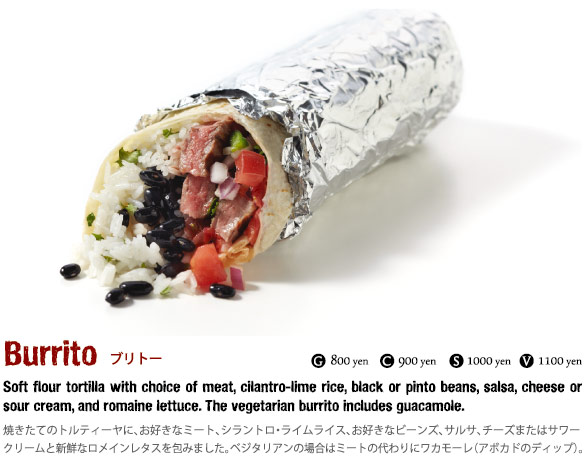
- One benefit of being a student association is the university charges virtually no rent. This allows them to keep cafeteria prices low and charge the same for electronics as big-box retailers. The co-ops also have considerable bargaining power as procurement is all done through the national federation. That’s how the cafeterias can charge an average of Y380 per meal.
- Another advantage of the co-ops is service. One student interviewed from the article bought a PC at the co-op because he liked getting advice from a fellow student.
- One disadvantage of having your business limited to college campuses is the limited number of business days. Vacations slash the total number of business days to around 250-300, and students only show up for class on about 150-170 days a year.
- In 2004, Japan’s national universities were stripped of their status as arms of the government and reorganized as corporate entities. This meant they gained a freer hand to get creative in running their campuses, and one such initiative has been to open convenience stores on campus in direct competition with the co-ops. Already, 40 co-ops are reported to be competing with on-campus kombini.
- Co-ops have responded to this competition with initiatives of their own, for example opening chain stores inside cafeteria areas and selling pre-paid meal plans to students (something typical at US universities).
- The population of 18-year-olds in Japan (an indicator of the size of the co-ops’ target demographic) expected to hold steady at 12 million in 2009 but then fall steadily into the foreseeable future. With this declining customer base, the author speculates there will be closer cooperation with universities and co-ops in the future. Already there are examples of a co-op collaborating with Yamanashi University to offer Yamanashi wine on campus.